
Smart Search Tip: Looking for more? To find items instantly, use single-word keywords (e.g., “SHOES” or “T-SHIRT”) instead of long sentences for the best results.
Finding stylish pieces without endless scrolling can feel impossible when you just want fashion picks faster. The Mulebuy Spreadsheet Lego approach organizes thousands of curated options into clean, searchable tables so smart shoppers can locate quality streetwear apparel and mainstream brands in seconds. Instead of jumping between random product pages, you get one reliable hub that surfaces current drops, sizing notes, and direct links. This system has helped budget-conscious fashion lovers cut research time dramatically while still landing pieces that look and feel right. Whether you shop for everyday layers or statement items, the structured layout turns what used to be a chore into a quick, confident process.
RECOMMENDED RESOURCE
Looking for the 10K+ Database?
Get instant entry to the complete, continuously updated 10,000+ link archive.
Quick Navigation
- What Is the Mulebuy Spreadsheet?
- How It Connects to Mulebuy
- Why Not Rely on Google Sheets Alone?
- How the Layout Speeds Up Shopping
- Common Questions Answered
What Is the Mulebuy Spreadsheet?
At its core, the Mulebuy Spreadsheet is a carefully maintained collection of product links, category filters, and practical notes designed for people who want efficient access to fashion options. Think of it as a living catalog rather than a static list. Entries are grouped by type—tops, footwear, outerwear, accessories—so you can jump straight to the section that matches what you need. Each row typically includes a clear title, a direct purchase path, and brief guidance on fit or material when available. The “Lego” idea simply means the data is modular: you can combine filters the way you snap building blocks together until the exact style appears.
The spreadsheet stays useful because it is updated regularly. New drops replace outdated ones, and broken links are cleaned out. For global English-speaking shoppers this matters a lot—time zones and shipping windows differ, so having a single place that already accounts for current availability saves repeated searching across multiple sites.
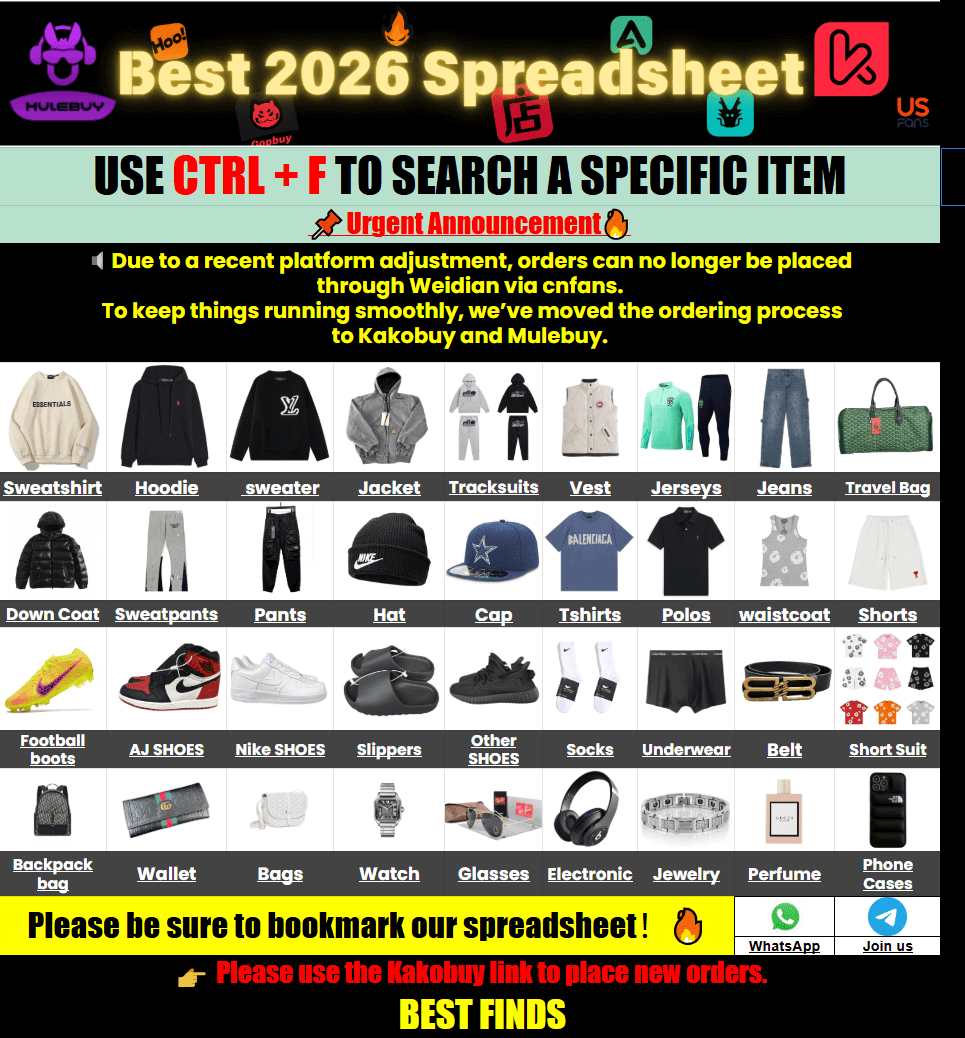
How It Connects to Mulebuy
Mulebuy functions as a purchasing platform that helps customers order items from various suppliers and consolidate shipments. The spreadsheet acts as a companion tool rather than a replacement. It surfaces items that work well with Mulebuy’s process, giving you ready-to-use links and notes that reduce trial-and-error. Many users treat the spreadsheet as their discovery layer and Mulebuy as the fulfillment layer. This separation keeps the experience clean: research stays organized in one place, while ordering and logistics stay on the platform designed for that job.
Because the two pieces work together, first-time buyers often find the learning curve shorter. You locate an item in the spreadsheet, follow the link, and complete the order through Mulebuy’s familiar interface. Over time this rhythm becomes second nature.
Why Not Rely on Google Sheets Alone?
Generic Google Sheets files can start helpful, yet they quickly become messy. Multiple editors, inconsistent formatting, and abandoned rows turn a once-useful file into a maze. The curated Mulebuy Spreadsheet avoids those problems through consistent structure, regular maintenance, and deliberate categorization. Search works more reliably because titles and tags follow the same pattern. Mobile viewing stays readable because column widths and freeze panes are already optimized. Most importantly, the data is actively reviewed so you spend less time verifying whether a link still works.
In short, a public or shared Google Sheet is only as good as the last person who touched it. A purpose-built version like this one carries ongoing responsibility for accuracy, which is exactly what busy shoppers need.
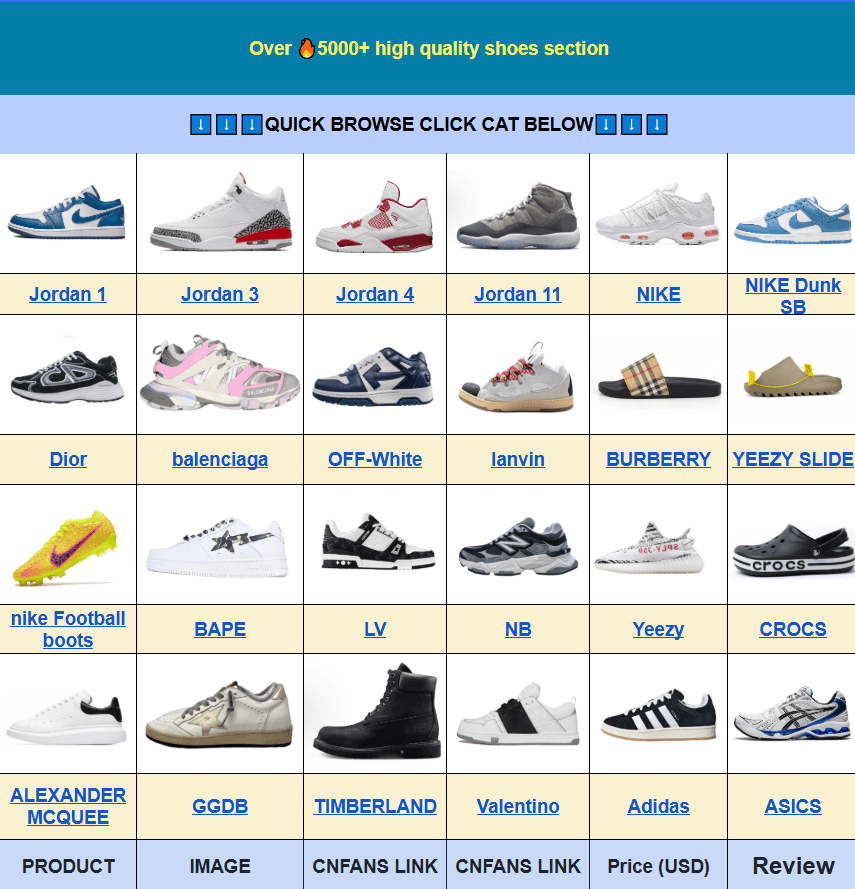
How the Layout Speeds Up Shopping
The real advantage appears once you start using the filters. Instead of typing long phrases, you type a single keyword—“HOODIE,” “SNEAKER,” “BAG”—and the relevant rows surface immediately. Columns for brand-style references, approximate sizing notes, and direct links sit side by side so you can compare options without opening ten new tabs. Many shoppers keep the spreadsheet open on one screen and the ordering platform on another; the combination feels almost like a personal shopping dashboard.
For anyone who has ever wasted an afternoon hunting for a specific silhouette only to find the link dead, this organized approach feels like a genuine upgrade. The goal is simple: spend less time searching and more time deciding which piece actually fits your wardrobe.
If you want a broader collection of similar tools, the team at oopbuy spreadsheet with qc keeps additional archives and updates that pair well with the core Mulebuy experience.
Common Questions Answered
Q: How do I search for items I want to buy?
A: Stick to single-word keywords. Type “JACKET” or “PANTS” into the search bar rather than full sentences. The tables respond fastest this way, and you can narrow results further with the built-in category filters. Once you see a promising row, open the link and check the latest details before ordering.
Q: What types of products are available?
A: You will find a wide range of streetwear apparel and mainstream brand-inspired pieces—tops, outerwear, footwear, bags, and smaller accessories. The focus stays on practical, wearable styles rather than one-off novelty items. New additions appear regularly so the selection stays current.
Q: How is the product quality? Are there QC photos?
A: Quality varies by supplier, which is why many entries include notes or links to recent photos when available. Smart shoppers always review the latest images and any sizing comments before placing an order. Treating the spreadsheet as a starting point rather than a guarantee keeps expectations realistic and results better.
Q: Is the mobile version easy to use?
A: Yes. The layout is designed to stay readable on phones. Horizontal scrolling is minimal, and the search function works the same way as on desktop. Most people find they can browse and shortlist items during a commute or while waiting in line without frustration.
Q: What benefits are there for first-time users?
A: New users usually notice two things right away: the time saved and the reduced guesswork. Instead of hunting across random product pages, you start with a filtered list that already contains working links and practical notes. That head start makes the first few orders feel less intimidating.
Q: What should I do if I receive an unsatisfactory product?
A: Contact the platform’s support team promptly with clear photos and order details. Most platforms have established processes for returns or exchanges when an item does not match the description. Keeping records of the original listing helps resolve issues faster.
Q: What are the international shipping costs and delivery times?
A: Costs and timelines depend on the destination country, package weight, and chosen shipping method. Lighter parcels usually move faster and cost less. Always check the current rate calculator on the ordering platform before finalizing, because fuel and customs rules change. Planning a few days of buffer is wise for cross-border orders.